

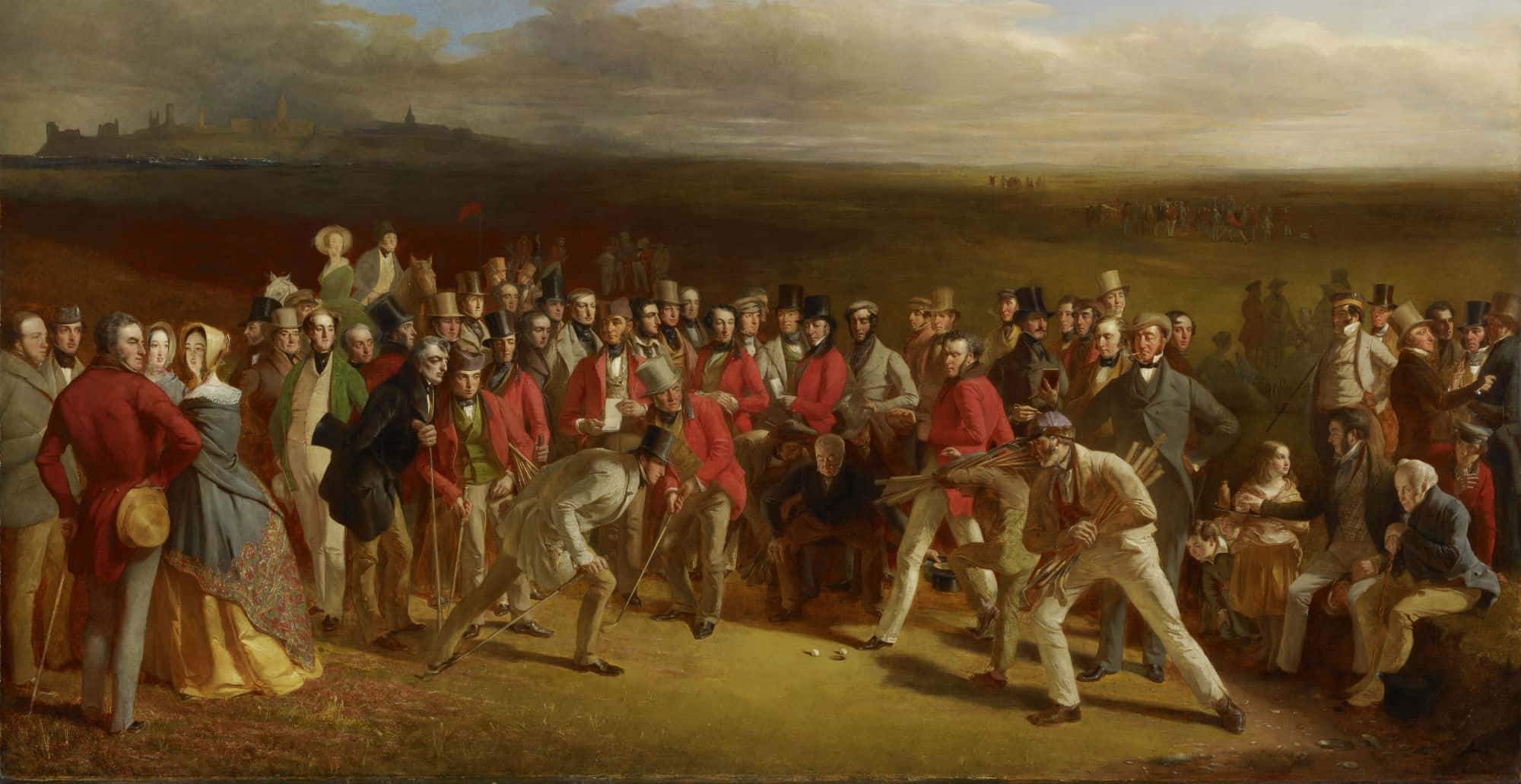
Scotland serves as the true home of the fairways, where the wind whistles through coastal dunes and every blade of grass tells a story. Walking across these legendary landscapes feels like stepping back into a simpler era. When you look into golf history in scotland, you find more than just a game; you discover a national heritage built on sandy soil and sheer passion. From the iconic streets of St. Andrews to the rugged beauty of the Open Championship venues, the country offers a unique connection to the past that every player should experience at least once.
St. Andrews: The Ultimate Pilgrimage
Starting our tour at the Old Course in St. Andrews feels right because this spot remains the undisputed Home of Golf. Walking these fairways allows you to connect with the very roots of golf history in scotland, where the original regulations were first drafted centuries ago. It is a place where the landscape seems to whisper stories of past champions and ancient matches played long before modern television cameras arrived.
You cannot visit without stopping at the iconic Swilcan Bridge. This small stone structure on the eighteenth fairway serves as the backdrop for countless retirement photos and victory celebrations. It represents a bridge between the past and present, linking generations of players who have walked the same sod. Just a short distance away, the dreaded Hell Bunker waits to swallow errant shots. This massive sand trap on the fourteenth hole is legendary for ruining scorecards, yet golfers still relish the challenge of escaping its steep walls, making it one of the most famous hazards on the planet.
Every person who picks up a club dreams of securing a tee time on these historic links. The layout feels natural and rugged, shaped by the wind and the North Sea rather than modern machinery. Playing here is less about hitting long drives and more about creativity and patience. You must navigate the humps and hollows while respecting the tradition that permeates the air. It is not just a game; it is a walk through time. From the bustling streets of the town to the quiet hush of the putting greens, the atmosphere is unmatched. Whether you are a scratch player or a high handicapper, the experience of standing on that first tee stays with you forever. The town itself lives and breathes the sport, making every visitor feel like part of a grand, ongoing legacy.
Tracing the Roots of Golf History in Scotland
Centuries ago, folks across the windy coasts of the north started hitting pebbles into rabbit holes using nothing but bent sticks. This humble pastime eventually blossomed into the sport we recognise today. Delving into golf history in scotland, you quickly realise the game faced some serious hurdles early on. King James II actually issued a royal decree banning the activity in 1457. He felt his subjects spent too much time on the dunes and not enough time practising their archery skills for national defence. Thankfully, the ban did not stick indefinitely, and even royalty eventually caught the bug.
| Year | Historical Event |
|---|---|
| 1457 | King James II bans golf to encourage archery practice. |
| 1502 | King James IV lifts the ban and becomes the first golfing monarch. |
| 1744 | The Gentlemen Golfers of Leith draft the first written ‘Articles and Laws of Golf’. |
| 1754 | The Society of St Andrews Golfers (later the R&A) is founded. |
| 1860 | The inaugural Open Championship is held at Prestwick. |
Equipment during those formative years looked nothing like the shiny metal drivers used now. Golfers relied on handmade wooden clubs, often carved from tough materials like beech or holly. These early tools required immense skill to handle, especially when striking leather balls stuffed tight with feathers, famously known as “featheries”. Every swing felt raw, connecting players directly to the rugged environment around them.
Nature played the most significant role in designing the first fairways. Instead of bulldozers and blueprints, the Scottish coastline provided everything required. Sheep huddling for warmth created the first bunkers by hollowing out patches of grass, while the sandy soil allowed for excellent drainage. These natural links courses defined the strategic depth of the game. Players had to account for unpredictable gusts and uneven turf, turning every round into a unique battle against the elements. This organic development ensured that no two holes ever felt identical. Today, enthusiasts flock to these legendary sites to experience that original challenge, walking the same paths where shepherds and kings once tested their luck and patience centuries ago.
Hidden Gems and Historic Links You Can’t Miss
While every golfer dreams of the Old Course, the true depth of golf history in scotland extends far beyond the streets of St. Andrews. If you head west, you find Prestwick, the very place where the Open Championship first took root back in 1860. Walking these fairways feels like stepping back through time. The layout retains a quirky charm that modern designers rarely replicate, offering a rugged test that demands creativity rather than brute strength.
Heading up the eastern coastline brings you to the formidable dunes of Carnoustie. Local players often call it “Car-nasty” due to its extreme difficulty when the North Sea wind starts howling across the burns and bunkers. This spot lacks the polished feel of commercial resorts, providing instead a raw, unfiltered encounter with nature. You need to pack your waterproofs and prepare for a battle against the elements. Success here provides a sense of achievement that few other venues can offer.
Genuine Scottish golf culture lives inside the modest clubhouses dotted along the coast. Grabbing a post-round pint or a local whisky allows you to swap stories with members who have played these links for decades. These spaces often feel like living museums, filled with old photographs and wooden lockers. Skipping the corporate hospitality tents for a seat at a communal table helps you grasp why this sport remains the heartbeat of so many coastal towns. Embracing these smaller details ensures your trip feels authentic rather than just another holiday. Respecting local traditions and listening to the tales of seasoned caddies adds layers to your journey that no guidebook can provide.
Embracing the Spirit of the Fairways
Walking through the legendary links of St. Andrews and the rugged dunes of Prestwick offers a profound connection to the origins of the game. Exploring golf history in scotland reveals how a simple pastime transformed into a global sport through royal decrees and natural landscapes. These historic grounds represent more than just sport; they embody a rich cultural heritage that continues to inspire every player who steps onto the grass. Visiting these iconic sites provides a deeper appreciation for the traditions and challenges that shaped the modern game. Pack your clubs and prepare to experience the authentic atmosphere of the world’s most famous courses firsthand.
