

Peace rarely results from the silent revelation of a court settlement. Numbers, carefully negotiated agreements, and the impression that a story is coming to an end—though perhaps not entirely understood—are all brought in.
The family of Kenneka Jenkins came to a financial settlement with the Crowne Plaza Chicago O'Hare hotel and other parties in late 2023, following six years of legal wrangling. It arrived with sealed documents, a brief unsealing, and then silence rather than headlines or great declarations. A case that many had stopped discussing but never really stopped thinking about came to a conclusion with the settlement, which was allegedly valued roughly $6 million.
Key Details: Kenneka Jenkins Case
| Item | Description |
|---|---|
| Name | Kenneka Jenkins |
| Date of Incident | September 10, 2017 |
| Age at Death | 19 years old |
| Cause of Death | Hypothermia inside a hotel walk-in freezer |
| Location | Crowne Plaza Chicago O'Hare Hotel, Rosemont, IL |
| Legal Settlement | Approx. $6 million (before legal fees, some estimates report $10 million) |
| Lawsuit Filed By | Tereasa Martin (mother) in 2018 |
| Settlement Reached | August 2023 (announced December 2023) |
| Defendants | Hotel, its security company, and in-house restaurant |
| Credible Source |
In September 2017, Kenneka, then just 19 years old, was discovered inside a commercial freezer at the Rosemont hotel. A public that was already dubious of institutional responsibility was stunned when her death was declared an accident. Hypothermia was listed as the official cause. However, neglect—something colder than the freezer itself—was the true cause, according to her mother and many others who closely followed the case.
In her 2018 lawsuit, Tereasa Martin named the hotel, its security company, and an on-site eatery. Her case was based on a basic query: why did it take so long for someone to realize that a teenage girl was missing when there was clear video of her traveling through prohibited areas, alone, and intoxicated?
Surveillance existed. Timestamps were present. There were opportunities to take action.
The lawsuit claims that hotel employees neglected to keep an eye on surveillance cameras and were reluctant to react when Kenneka's friends reported her missing. According to the lawsuit, her death would have been avoided if the video had been examined sooner or if a thorough search had been started. For years, that claim reverberated around the court system, leading to a settlement that provided compensation but not closure.
The agreement's timing, which was negotiated in August and made public months later, seemed deliberate. The family was given some privacy as a result. It refrained from igniting outdated stories too soon before the Christmas news cycle. Additionally, it preserved the hotel's reputation, which had suffered greatly following the catastrophe. However, sealed settlements have a price. They only shut down public scrutiny when it is very advantageous to be transparent.
When I looked at the case again years later, I was particularly struck by how little had changed in terms of how hotels deal with internal issues.
The settlement's existence acts as an indirect acknowledgement, even though hotel representatives never acknowledged any wrongdoing. It implies that there was a problem to solve. An action that ought to have been taken differently. Money can exert pressure, at least partially, but it cannot take the place of accountability.
$50 million was sought in the original action. Although it accomplished its goal, legal experts conjectured the figure would never hold up in court. It made it clear that this wasn't a small complaint. Someone needed to answer for the young life wasted under avoidable circumstances.
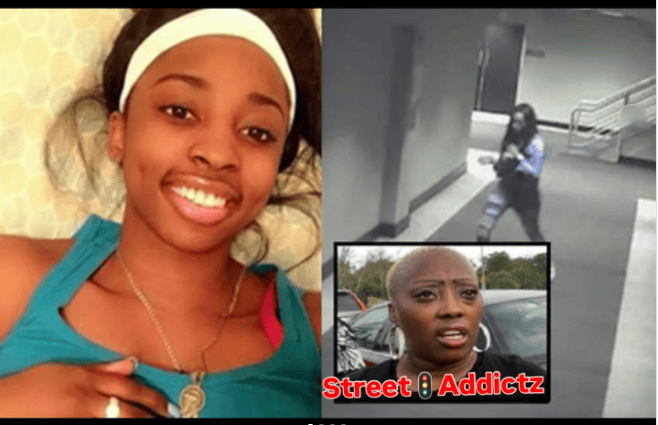
From the start, the case sparked a strong public response. Online forums were rife with conjecture, particularly those on Reddit and Facebook. It was dubbed a murder by some. The hotel was accused by others of covering it up. Conspiracy theories quickly filled the void left by the absence of quick, definitive solutions. Frame by frame, videos were examined. Timelines were frequently questioned.
However, there was a mother who had to bury her child away from the craziness of the internet.
For many, this instance was especially distressing because of how obvious it was. Kenneka was seen strolling by herself in the video. No effort. No obvious alarm signs. Just a long, winding road to a terrible conclusion that one human choice could have stopped. Someone is observing. Someone is coming in. Someone who is concerned.
Seeing an avoidable catastrophe play out in slow motion is particularly upsetting.
Hotel safety activists have subtly brought up the Jenkins case when talking about staff training ever since the settlement. According to a number of hospitality professionals, it has had a big impact on how hotels handle security footage and missing people, even though no official rules for the entire industry have been declared.
Even though they are little, these alterations point to a change.
It is hoped that hotel employees would be more accommodating in the future, especially when friends or family bring up pressing issues. The value of surveillance systems depends on who is using them. Many have been reminded by Kenneka's case that, if used proactively, cameras can be extremely efficient at preventing incidents in the first place.
The settlement means more to her family than just money. It's a record. A document with a stamp that acknowledges that something went wrong. Indeed, it was wise for you to continue asking questions. Your daughter did matter.
The settlement of the lawsuit also draws attention to the financial calculations that frequently follow a defeat. What families truly receive can be greatly diminished by legal fees, court costs, and privacy agreements. Even if Tereasa Martin is said to have received a sizable share of the money, it's crucial to keep in mind that the lengthy, taxing, and emotionally taxing procedure itself has expenses that money cannot cover.
It's also important to note that the settlement was kept secret for several months, maybe to preserve the family's emotional health or to facilitate the hotel's PR efforts. In any event, it gave a case that had before been deafening an additional layer of calm.
Since then, Kenneka Jenkins has come to represent institutional failure, media spectacle, and the vulnerability of young lives in strange places. But there was a real person behind the symbol. She chuckled. She performed a dance. She had future plans. Furthermore, neither legalese nor news archives should obscure any of those facts.
Though hesitantly, there is hope. Perhaps the court battle accomplished more than just transferring money if even a few hotel chains changed their procedures and even one missing visitor was located more quickly as a result of someone paying more attention. Maybe it made a little but significant change in policy.
The narrative never really ended for those of us who kept a close eye on the case, read every word of the coroner's report, and watched those eerie late-night video footage.