

The Musselburgh Opens: A Celebration of Golfing Tradition and Community Spirit
Musselburgh Links is a living record of golf's development rather than just a series of fairways. Every tee bears the weight of tales crafted by both victors and fans, and each blade of grass here whispers a piece from history. The historic and modern Musselburgh Opens serve as a constant reminder to players that grace, not grandeur, is the true essence of golf.
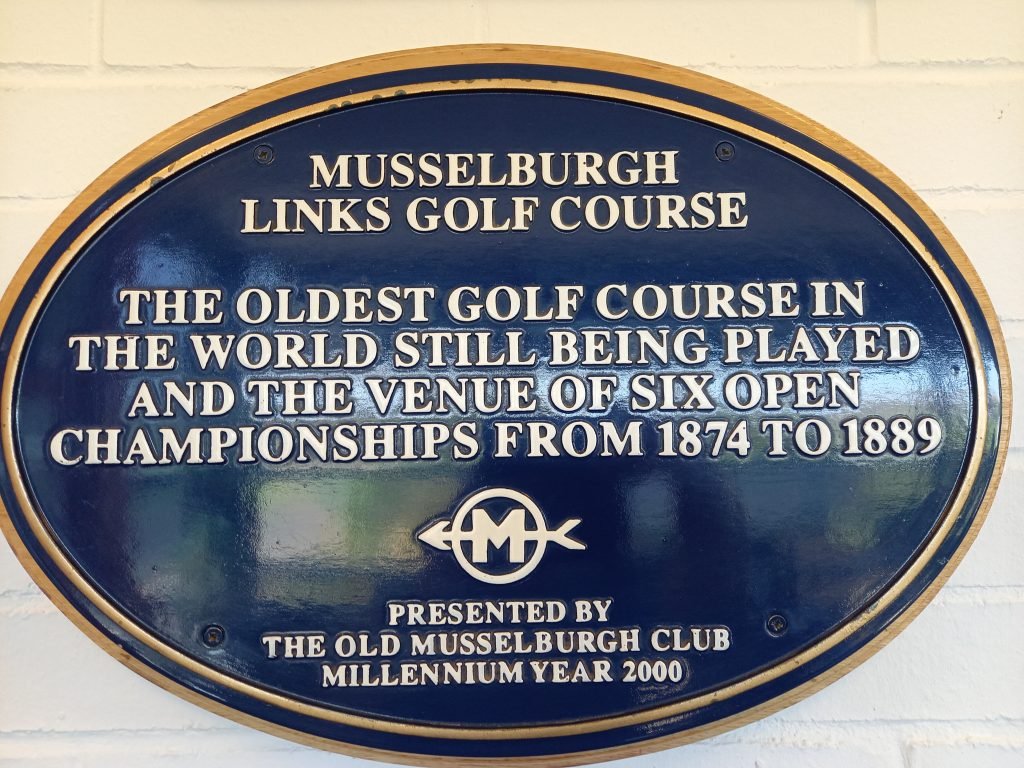
A golden age for Scottish sport began in 1874 when the Open Championship came to Musselburgh. People like Bob Ferguson and Mungo Park turned the nine-hole course into a test of endurance, talent, and strategy. Their wins were more than just individual triumphs; they made Musselburgh a symbol of golf history. The Honourable Company of Edinburgh Golfers, who were in charge of the course at the time, created an environment that combined respect and competition in a way that is still astonishingly effective today.
The location itself provides a unique window into the history of golf. The 4.25-inch hole became commonplace in Musselburgh, a minor but crucial element that helped to define the game's worldwide reputation. The small pattern rewards patience over strength by requiring accuracy. Its fairways flow organically with the scenery, and the erratic coastal winds heighten the tension. The Musselburgh Opens have a unique character because of this harmony between human innovation and nature.
With great zeal, the contemporary Musselburgh Opens continue this tradition. They are about fostering future talent, honoring community, and maintaining legacy, not just about winning trophies. Golfers from all over the world come to the events; some are seeking records, while others are just interested in strolling where history was made. The tournament's openness is a testament to Scotland's longstanding generosity toward the sport it created.
Table: Key Facts and Historic Details
| Category | Information |
|---|---|
| Event Name | The Musselburgh Opens |
| Location | Musselburgh Links, East Lothian, Scotland |
| Established | 1874 (first Open Championship held) |
| Historic Role | Hosted six Open Championships between 1874 and 1889 |
| Notable Champions | Mungo Park (1874), Bob Ferguson (1880), Willie Park Jr. (1889) |
| Course Type | Nine-hole historic links, shared with Musselburgh Racecourse |
| Modern Events | Ladies Open, Texas Scramble Open, Senior Open |
| Distinct Feature | One of the oldest continuously played golf courses |
| Cultural Impact | Pioneer of the standardized 4.25-inch golf hole |
| Official Source | www.theopen.com/venues/musselburgh |
Playing at Musselburgh is more like taking part in a ceremony than it is like competing. The course, which is part of the Musselburgh Racecourse, combines golf and horse racing in a remarkable way. Not many locations can make such a claim. The distant cadence of hooves is frequently audible as golfers line up putts, serving as an unexpectedly calming reminder that tradition and movement can coexist. This combination of spectacle and sport is what makes Musselburgh so unique.
The operation of the event benefits from the genuineness of the local volunteers, many of whom have family connections to the course. Their commitment keeps the competition grounded. Seeing how the Opens' profits support regional nonprofits, athletic initiatives, and environmental projects is especially motivating. In this sense, the Musselburgh Opens are actively fostering a caring sense of community while also conserving golf's legacy.
Over time, the tournament's inclusion has significantly improved. Since the 1700s, women have been a part of Musselburgh's history; records indicate that ladies' competitions were held there even before the topic of gender equality gained international attention. With the Ladies Open and mixed competitions that promote varied participation, the contemporary Opens pay tribute to this tradition. By doing this, Musselburgh is strengthening its position as a leader in sporting equality in addition to reflecting advancements.
The event's ability to change without losing its essential identity is among its most admirable features. Global audiences may now enjoy the event thanks to the organizers' integration of television coverage, digital updates, and live scoring. The warmth of local hospitality, player camaraderie, and the subdued excitement of competing on historic grass, however, continue to be the tournament's core. For a sport that depends on continuity, this harmony between modernization and preservation feels especially advantageous.
Musselburgh offers golfers who are visiting something really moving. It's like taking a walk through time on the short trek between holes. Even the most seasoned golfers are challenged by the greens, which have been sculpted by centuries of weather and use. Every wind gust carries the echo of previous cheers, and every bunker has a story to tell. Playing here enhances one's understanding of golf as a cultural language in addition to testing one's skill.
It's amazing how Musselburgh maintains its simplicity while remaining current. Even while prestigious locations like St Andrews or Muirfield are well-known throughout the world, Musselburgh provides a level of intimacy that larger arenas frequently cannot match. The relationship between the athlete and the location, as well as between tradition and current goals, is remarkably evident. The Musselburgh Opens are a celebration of classic artistry rather than just a competition because of its clarity.
Because of sponsorships and technology, the modern golf industry frequently puts show before content. Musselburgh serves as a subdued counterpoint to that tendency. Its ongoing popularity demonstrates that tradition may continue to be a very effective means of attracting audiences and fostering the development of fresh talent as long as it is honored and carefully reinterpreted. In addition to the challenge, golfers come here to experience a sense of community that is becoming more and more uncommon in other places.
Musselburgh's subtle genius is seen when compared to other historical places. Musselburgh is the epitome of the democratic spirit of golf, even though Prestwick hosted the first Open and St Andrews is considered the "home" of the game. Professionals and local artisans used to play side by side there, united by respect for one another. Every Open conducted here demonstrates how this heritage of equality is still very much alive.
The endurance of the route is very impressive. Golf is undergoing a wave of modernization, but Musselburgh has escaped drastic change. Its original nine-hole layout is still in place, which is a bold and lyrical choice. It enables players to enjoy the game in its original, unadulterated state. That preservation is experience-based learning, not nostalgia.
There is more to The Musselburgh Opens than just watching a game. It's an experience with authenticity, emotion, and history. Viewers are reminded why tradition is still important by the clubhouse's laughter, the cheers that float across the greens, and the group halt before a crucial putt. Here, golf is about perseverance, grace, and passion rather than ego or money.