
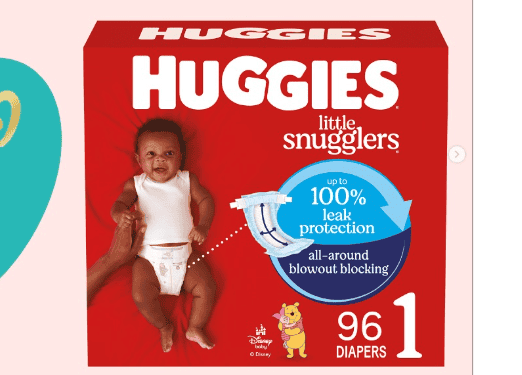
Seldom do parents read a diaper label suspiciously. The premise is straightforward and deeply embedded: items intended for infants should be incredibly dependable, thoroughly tested, and particularly cautious when it comes to language. The escalating class action lawsuit Kimberly-Clark is facing about its Huggies brand is based on this idea.
Numerous cases claim that following an unexpected formula change, Huggies diapers, which were promoted as “hypoallergenic,” started to cause serious skin responses. Parents report rashes that worsened quickly, sometimes showing up in a matter of hours, and in severe situations resembled chemical burns. The remarkably identical nature of these accounts across states and product batches is highlighted in the court documents.
Key Context: Huggies Class Action Lawsuits
| Item | Details |
|---|---|
| Manufacturer | Kimberly-Clark |
| Brand | Huggies |
| Products Involved | Little Movers diapers, Snug & Dry diapers, Simply Clean baby wipes |
| Core Allegations | False advertising, undisclosed formula changes, skin irritation, chemical exposure |
| Chemicals Cited | Ahcovel (diapers), PFAS “forever chemicals” (wipes) |
| Timeframe | Lawsuits filed between 2018 and 2025 |
| Legal Status | Some cases dismissed or amended; several active or pending |
| Consumer Concerns | Severe rashes, chemical burns, misleading “hypoallergenic” and “natural” labels |
According to one lawsuit, she relied on past experience and trusted the label when making repeated purchases of Huggies Little Movers. At first, she thought it was a fluke when her child had an unusually violent rash. It was only after changing brands and witnessing the annoyance subside that skepticism, annoyance, and ultimately legal action emerged.
Ahcovel, a surfactant purportedly used during manufacture, is the subject of a different, more technical complaint filed in Texas. The assertion is not just that the chemical exists, but also that defective production methods led to its overuse. This distinction is important because it presents the problem as a failure of quality control rather than an inevitable compromise.
Similar issues regarding Snug & Dry diapers were brought forward in earlier cases from 2018 and 2021. While some were quietly settled, others were dismissed, their existence creates a pattern that plaintiffs now point to as proof of a persistent issue. In litigation, repetition can be a very powerful tool for changing the way courts perceive risk.
A common theme in all of these examples is transparency. According to a number of complaints, Kimberly-Clark changed the product’s composition without telling customers, causing parents to use diapers that behaved differently on delicate skin without realizing it. This lack of notification is especially significant to caregivers who are treating baby skin, eczema, or allergies.
Diapers are just one aspect of the dispute. A class action lawsuit alleging the presence of PFAS, or “forever chemicals,” was filed against Huggies Simply Clean Fragrance Free baby wipes in late 2024. These substances linger in the body and the environment, posing long-term safety concerns that are in direct opposition to “gentle” branding.
Plaintiffs were permitted to revise their complaint even though the PFAS action was initially dismissed by a district court. That step in the process is important. It implies that the court thought the accusations might be true if they were better substantiated, maintaining pressure on the business and indicating that the matter is far from settled.
Language used for labeling has also come under fire. Huggies’ use of terminology like “natural care” and “plant-based” is contested in a number of cases, which contend that customers can understand those terms to mean “free from synthetic chemicals.” One such lawsuit was partially reinstated by an appeals court in July 2024, which held that if the front label is clearly false, buyers shouldn’t be required to decode ingredient lists.
The legal landscape was subtly altered by that decision. It transfers accountability from parents conducting detective work to manufacturers carefully selecting their wording. The ruling was especially helpful to consumer advocates, reaffirming that clarity is just as important as compliance.
The tone of online parenting forums shifted as these cases developed. Chemical names, lot numbers, and screenshots of court documents started to be discussed in addition to fit and absorbency. In an effort to determine whether what had happened to their child was isolated or widespread, parents shared stories rather than out of alarmism. I kept thinking about how unremarkable the packaging appears and how readily trust may last until anything goes awry.
Public concern has been followed by regulatory interest. The New Mexico Attorney General’s office urged parents to report negative responses and launched an investigation into consumer complaints about Huggies diapers in 2022. The investigation’s presence highlights the gravity of the issues being raised, even though no formal charges have been brought.
Following conventional legal procedure, Kimberly-Clark has mostly refrained from commenting on ongoing cases. However, the story is left to court records and parent testimony as a result of that silence. When there are no clear explanations, ambiguity takes its place.
In terms of legal strategy, plaintiffs have placed a strong emphasis on consumer protection legislation, highlighting fraudulent marketing instead of demonstrating long-term medical harm. This method strengthens the cases by reducing the burden of proof and expanding who can be included in a class.
There is more than one brand involved in the wider implication. These lawsuits question how businesses convey safety in areas with very little error tolerance. Even little differences between performance and promise can swiftly undermine trust when goods are used on babies on a daily basis.
A change in culture is also taking place. Parents nowadays are more connected, more knowledgeable, and more inclined to challenge company guarantees. Social media and legal news websites have facilitated the creation of unofficial watchdog networks by making it simpler to monitor litigation, exchange experiences, and compare notes across geographical boundaries.
Parents who never would have thought to contact an attorney over diapers are reportedly heard by law firms participating in the cases, including those that provide free consultations. They frequently start their calls with bewilderment rather than rage, then want accountability rather than compensation.
Legal results are still unknown. A few cases might go to trial, while others would be quietly settled or dropped. However, the cumulative effect is already apparent even in the absence of dramatic decisions. Particularly in markets where loyalty is the foundation, brands are aware when trust falters.
In the end, these cases bring to light a greater issue of accountability rather than only a disagreement about chemicals or labeling. Should manufacturers make sure that marketing language is exactly in line with actual performance, or should parents be responsible for checking every claim?
If this lawsuit results in any modifications, they would initially seem minor: more cautious labeling, formula-change alerts, and clearer disclosures. These changes may eventually result in far lower risks and noticeably greater industry transparency.
