

Cruise decks are always softly lit by the sun, which shimmers off the polished rails, warms rows of relaxed loungers, and suggests freedom with each wave. However, unrest has been simmering behind that carefully manicured serenity. The cruise line Royal Caribbean, which is frequently associated with luxury and escape, is currently dealing with a very severe legal issue that raises disturbing questions about the company’s policies around alcohol, conflict, and responsibility at sea.
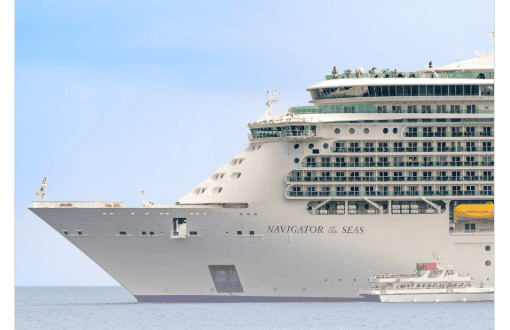
Nearly a year after her fiancé Michael Virgil boarded the Navigator of the Seas and never returned, Connie Aguilar filed the complaint. It was supposed to be a quick journey from San Pedro to Ensenada, but instead it ended in a deadly altercation that was characterized by overindulgent cocktails, crew restraint, and, in the end, tragedy.
Royal Caribbean Lawsuit Overview
| Item | Details |
|---|---|
| Cruise Line | Royal Caribbean International |
| Incident Date | December 2024 |
| Ship Name | Navigator of the Seas |
| Deceased | Michael Virgil, 35 |
| Lawsuit Filed By | Connie Aguilar (fiancée) |
| Legal Allegations | Excessive force, negligent alcohol service, failure in duty of care |
| Cause of Death | Compression during restraint, ruled homicide by LA County Medical Examiner |
| Additional Cases | Overboard passenger on Taylor Swift cruise; past White Island incident |
| Cruise Line Response | Expressed condolences, declined detailed comment due to pending case |
According to reports, the 35-year-old Virgil drank around thirty alcoholic beverages while aboard. In any hospitality situation, that figure would be cause for concern, but aboard a moving ship in international waters, it becomes a source of contention. Legal documents state that the crew intervened—not compassionately, but with increasing force—as Virgil became agitated and struggled to find his room.
Several staff members pinned him down, drugged him, pepper-sprayed him, and detained him. Citing compression injuries consistent with constraint, the Los Angeles County Medical Examiner declared his death to be a homicide. This was neither a disastrous fall nor a maritime mishap. Legally and biologically, it was a death that could have been avoided.
The crew used significantly more force than was necessary, according to Aguilar’s legal team. They say that when Virgil showed indications of discomfort, the same staff that had been providing him alcohol for hours suddenly became tyrannical. Creating the issue and then punishing its symptoms is a terrible irony.
The statement made by the family’s lawyer, Kevin Haynes, that Virgil was a “gentle giant”—a man whose actions on that last night were remarkably different from his usual behavior—was what really got my attention. The violent ending here is especially unsettling because I’ve seen cruise crew defuse drunken tantrums with a firm hand and a grin.
Royal Caribbean has previously been the target of accusations of alcohol-related negligence. One year before to Virgil’s passing, a traveler on a cruise with a Taylor Swift theme went overboard and was never recovered. Concerns regarding crew supervision and alcohol service were also brought up in that case. The family filed a lawsuit, claiming that the personnel did not act appropriately to stop the event from becoming out of control.
These situations don’t just appear. They reveal a deeper conflict inside the cruise industry, which was founded on the promise of luxury but is now under pressure to defend its choices in the face of ethical and legal scrutiny. Cruises are intended to provide an escape, yet they are nonetheless subject to actual repercussions. Every time a piña colada is passed over the bar, there is a silent but important responsibility to make sure that enjoyment doesn’t turn deadly.
In response, Royal Caribbean has been careful. In their statement, they confirmed their cooperation with law police while expressing sorrow at Virgil’s passing. However, the business failed to comment on the lawsuit’s details or its internal alcohol policy when asked. This was probably usual practice, but it was noticeably quiet considering how serious the allegations were.
The lawsuit challenges how corporate systems fail to adjust when human conduct deviates from norms, rather than focusing only on drink counts or restriction tactics. What protections are in place when a visitor becomes agitated or confused? Are crew members taught to spot alcohol toxicity or medical distress? Or are they merely carrying out force protocols with minimal discretion?
Not to be overlooked is the environment these ships foster. The vision of unlimited daiquiris under a sapphire sky includes the promotion of all-inclusive drink packages. However, the branding disappears and liability takes over the moment intoxication starts to tip into danger. Royal Caribbean is not the only company experiencing this contradiction, but the effects are especially severe on its ships.
Even in their most relaxed moments, cruise passengers anticipate a certain level of safety. They believe that medical personnel are competent and vigilant, that bartenders are being watched while they serve their cocktails, and that any intervention will be measured and not lethal. Trust erodes remarkably quickly when such presumptions fall apart.
It is a very personal betrayal for families like Aguilar’s. The current legal dispute aims to establish boundaries that should never be crossed again, not only to recover damages. When her fiancé became inconvenient, she claims he was regarded more like a threat than a person, even though he had boarded as a paid passenger.
It’s simple to understand how a business could feel confined in these situations—defending its image, being cautious about lawsuits, and being reluctant to acknowledge mistakes. However, it is much more difficult to overlook the public’s rising unease about how hospitality changes when under duress. After being overfed, what happens if a “gentle giant” loses control? Other than sedation and physical restraint, what are the alternatives?
These are queries that need answers, not evasive legalese or ambiguous promises. They need openness on training, escalation procedures, the frequency of such incidents, and the review process.
At its best, cruising provides travelers with a unique kind of tranquility as they travel between locations, cut off from daily life. However, as this case develops, it serves as a pertinent reminder that businesses need to be on guard even while they are having fun. Lifeboats and fire drills aren’t the only aspects of safety. It also involves training, empathy, and quick, compassionate decision-making.
What started out as a vacation turned into a lawsuit, and it’s unclear if this will mark a sea change in the business. However, if reform does occur, it will be through cases like this one—gradually, resolutely, and driven ahead by bereaved families who won’t be quietly forgotten.
