

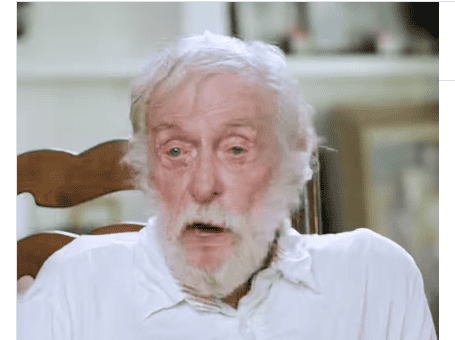
The term “Dick Van Dyke lawsuit” started making the rounds on the internet in late 2025, driven by news that were plausible enough to be shared without more investigation. According to posts, the adored actor sued Fox News anchor Pete Hegseth for $60 million in defamation after Hegseth made disparaging remarks about Van Dyke’s relevancy while on the air. In just a few hours, the story went from obscure pages to popular feeds, spreading like sparks through dry grass.
The emotional symmetry of the story was what allowed it to flow so smoothly. Van Dyke is an almost universal representation of warmth, kindness, and classic showmanship, while the accused defendant slid into a divisive media environment. Similar to past culture-war flashpoints that incite indignation with clicks, even while facts are still disputed, the combination felt narratively complete.
| Category | Details |
|---|---|
| Full Name | Richard Wayne Van Dyke |
| Known As | Dick Van Dyke |
| Date of Birth | December 13, 1925 |
| Profession | Actor, comedian, singer, author |
| Career Span | 1947–present |
| Notable Works | The Dick Van Dyke Show, Mary Poppins, Chitty Chitty Bang Bang |
| Awards | Multiple Emmys, Grammy, Tony, SAG Lifetime Award |
| Legal Relevance | Subject of false viral lawsuit reports |
| Status of Lawsuit | No real lawsuit filed |
| Reference | https://www.britannica.com/biography/Dick-Van-Dyke |
However, upon closer inspection, the allegations quickly fell apart. There were no court documents, no statements from Van Dyke’s attorneys, and no reference to the purported complaint could be found in any reliable legal databases. Fact-checkers quickly recognized the story as part of a larger trend: within weeks, dozens of AI-generated articles had appeared, each alleging that a different celebrity was suing the same television show for similarly outrageous amounts.
These stories have a strikingly uniform structure. Each included a shocking insult, a sizable sum of money, and a moral reward in which the celebrity used the legal system to regain their dignity. Although it lacked credible sources, the writing style was slick but hollow, and it was very successful at imitating authentic news. The illusion proved compelling to those who scrolled swiftly.
The allegations had nothing to do with Dick Van Dyke himself. The actor, who is almost 100 years old, has continued to participate in public life sparingly, making appearances to advocate for kindness, creativity, and health. His long-standing public image was at odds with the idea that he would suddenly go on a well reported legal battle, yet the story continued because it defied expectations.
This episode demonstrated how, despite the fact that the content of disinformation has deteriorated, its presentation has significantly improved. Now that AI algorithms can produce believable stories at scale, social media platforms are overflowing with authoritative-feeling content. The threat comes not from a single hoax but from their combined impact, which progressively erodes public confidence in reliable news and clouds judgment.
The confusion increased since, despite having nothing to do with the performer, there is a legitimate court case involving a guy by the name of Dick Van Dyke. A financial advisor from Illinois with the same name sued state regulators in 2016 after being charged with retirement product fraud. In the end, an appeals court decided in his favor, finding that regulators had overreached themselves. Buried in legal archives, this valid case was later seized by content farms to give celebrity-focused fabrications spurious legitimacy.

The ease with which bits of truth can be repurposed is demonstrated by that overlap. An actual case, a well-known name, and a modern media personality were combined to create something fresh, creating a story that was completely fictional but felt realistic. As a result, the tale spread rapidly before failing to pass even the most basic verification.
Beyond a single actor, there are wider ramifications. Public personalities are becoming easy vehicles for viral narratives as celebrity culture and algorithm-driven news consumption continue to converge. Their reputations serve as catalysts, spreading unsubstantiated rumors farther than comparable tales about private people could. In this instance, the fake was paradoxically more spreadable due to Van Dyke’s ongoing kindness.
From musicians purportedly winning verdicts that never happened to actors allegedly bringing lawsuits they never discussed, other celebrities have been subjected to similar fabrications. The trend is indicative of a media landscape where platforms prioritize engagement over verification and speed frequently surpasses accuracy. The incentives are especially creative in their effectiveness, creating content that generates a lot of traffic with little scrutiny.
The price is small but important for viewers. Every fraudulent lawsuit erodes trust in accurate legal reporting. Readers find it more difficult to discern fact from fiction when real incidents arise because they must contend with the background noise of made-up drama. This tendency is especially harmful in a time when people are already skeptical of institutions.
The circumstances surrounding Dick Van Dyke also highlight the moral obligations of platforms and content producers. The abuse of the actor’s name shows how easily legacies may be appropriated, even though the person himself suffered no real legal loss. The distortion runs the risk of changing public perception for younger audiences who are largely exposed to Van Dyke through viral content rather than his creations.
Reiterating the need for media literacy, the episode advised readers to think before spreading sensational claims. There are fact-checking tools available, but they need time and focus, which are becoming more and more limited. However, promoting skepticism continues to be extremely successful in reducing the spread of such hoaxes, particularly when prominent instances reveal their workings.
Additionally, there is a gray area in the law pertaining to false information produced by AI. Defamation laws shield people from untrue claims, but when content is created anonymously or across borders, enforcement becomes more difficult. The Dick Van Dyke lawsuit fraud demonstrated how fast accountability may spread, leaving people who were deceived with few options.
The story represents a turning point in culture. There used to be a small number of editorial gatekeepers who exercised some degree of judgment over celebrity news. These days, technologies that prioritize attention over accuracy have taken the role of that filter. The change has happened much more quickly than most people expected, and ethical and regulatory frameworks are finding it difficult to keep up.
An ironic counterpoint is provided by Van Dyke’s career. Clarity, timing, and audience trust were essential components of his work. Contrary to this, the false information associated with his name thrives on uncertainty and haste. The contrast draws attention to what is lost when accountability is separated from storytelling.
